
Knife case
CS2 · CS:GO · Clash кейсы directory
A structured case directory for Counter-Strike 2. Browse active and retired cs2 cases, see what each container holds, learn how drop odds are distributed and compare illustrative case prices before you decide to open. Every figure here is an example for research, not a live quote.
The basics
Everything you research in this case directory starts with one simple object: the container.
A CS2 case is a sealed container tied to a single collection. When you unlock it with a matching key, the game returns exactly one item from that collection, chosen at random and weighted by rarity. Weapon skins fill the blue, purple, pink and red tiers, while a rare gold slot holds the knives and gloves that most collectors are chasing. Because the pool is fixed per case, knowing which container a finish lives in is the first step in any cs2 case opening plan.
Since Counter-Strike 2 replaced CS:GO, the inventory carried straight across, so every legacy csgo case is now a cs2 case. The collections, rarity tiers and drop pools are identical - only the Source 2 engine and its sharper lighting changed. Whether a community calls them csgo cases, cs2 cases or clash кейсы, they describe the same containers you will find mapped below.
Two kinds of case
The single biggest driver of case prices is whether a container still drops in the active pool.
These containers still appear as random end-of-match rewards, so fresh copies keep entering circulation. Supply stays high and prices stay low - most active cs2 cases sit well under a dollar. The Kilowatt, Gallery and Fever cases are current examples.
Once a case leaves the active rotation, no new copies drop. The existing stock is all there will ever be, so scarcity slowly pushes case prices upward. Older containers can trade for many times their original value.
If you plan to open, active cases are the cheapest entry. If you are researching value over time, retired cases behave more like collectibles. The case directory below flags starting prices so you can compare at a glance.
Case directory
Ten popular cs2 cases the way you would scan a stash: artwork, an illustrative starting price, a route to open and a link to the items inside. Prices are examples for research only, not live quotes.
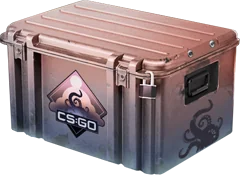
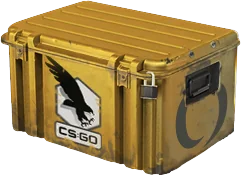
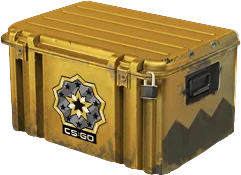
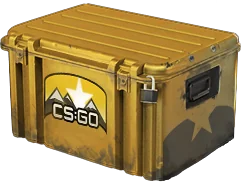
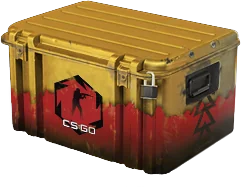
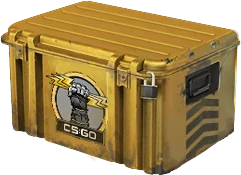
Drop odds
Every cs2 case shares the same rarity ladder, and each tier carries a roughly fixed probability. These community-observed figures explain why the gold knife or glove slot feels so rare.
| Rarity tier | Colour | Approx. drop chance | What it holds |
|---|---|---|---|
| Mil-spec | Blue | 79.92% | Common weapon skins, the bulk of every open |
| Restricted | Purple | 15.98% | Better weapon finishes, still fairly frequent |
| Classified | Pink | 3.20% | High-tier weapon skins, noticeably scarcer |
| Covert | Red | 0.64% | Top weapon skins, the rare rifles and snipers |
| Special item | Gold | 0.26% | Knives and gloves - roughly one in four hundred |
Figures are illustrative and sum to 100%. StatTrak is rolled separately at about a one-in-ten chance on any eligible drop.
Keys & opening
The case is only half of the transaction. Understanding the key is what tells you the true cost of each cs2 case opening.
To unlock any container you need a matching key. The key is the paid component - a case can often be picked up for a few cents on the market, but the key is what actually opens it. Your effective cost per open is therefore the case price plus the key price, and it is that combined figure you should weigh against the value of what you might pull.
The sequence is always the same: acquire the case, acquire its key, unlock, and receive one weighted item from the collection. Because the roll is independent every time, past opens tell you nothing about the next one - the odds in the table above apply fresh to each attempt. That is the single most important idea to internalise before treating case opening as anything other than paid entertainment.
Long-term value
Cases are one of the few CS2 items whose price is driven almost entirely by scarcity rather than looks.
An active case is effectively unlimited: as long as it drops after matches, new copies keep flowing in and the price stays pinned near the market floor. The moment Valve rotates a case out of the active pool, that faucet closes. From then on the total stock only shrinks as players open containers, and the survivors slowly drift upward in value. This is why a case that once cost a few cents can, years later, trade for several dollars.
For a researcher this makes cases a useful reference point. If you are tracking a collection, watching whether its case is still active tells you a lot about where prices are heading. Our case prices page keeps illustrative starting figures side by side so you can compare active and retired containers, and the collections directory maps which finishes each case can return.
Confirm you are 18+ and continue to the external case opening platform, or keep researching the stash first - the choice is yours.
FAQ
A CS2 case is a sealed container tied to a specific collection. Opening it with a matching key returns one item from that collection, weighted by rarity, ranging from mil-spec weapon skins up to a rare gold-tier knife or glove.
Yes. When Counter-Strike 2 replaced CS:GO the case inventory carried over, so every CS:GO case is now a CS2 case. The collections, rarity tiers and drop pools remained the same - only the engine and rendering changed.
Community-observed odds are roughly 79.9% mil-spec blue, 15.98% restricted purple, 3.2% classified pink, 0.64% covert red and about 0.26% for the rare gold special item slot that holds knives and gloves.
Case prices float on the open market based on supply and demand. Retired or discontinued cases that no longer drop in the active pool become scarcer over time, so they usually cost more than active drop cases that are still entering circulation.
Yes. Each case requires a matching key to unlock. The key is the paid component of case opening, while the case itself can often be picked up cheaply, so the effective cost per open is the case price plus the key price.
All figures shown are illustrative examples for research only. Case prices move constantly, so always confirm the live figure on the marketplace you actually trade on before making any decision.
Keep exploring
This link opens an external CS2 case-opening platform. Tick both boxes to confirm you are of age and accept the terms, then continue.