
Active
CS2 · CS:GO · case price guide
A plain-English reference for how much cs2 cases and csgo cases tend to cost, from cheap active drop-pool containers to scarce retired cases. Every number on this page is an illustrative example to help you understand the market - not a live quote. Always confirm the current figure on the marketplace you actually trade on before you spend anything.
Pricing basics
Cases are tradable items, so their prices float on the open market exactly like skins do. Understanding the handful of forces behind those prices makes every figure below easier to read.
When you finish a match in Counter-Strike 2 you occasionally receive a random case as a free drop. Those cases flood into the economy for as long as they stay in the active drop pool, which keeps their supply high and their price low. The moment a case rotates out of that pool it stops dropping, supply freezes, and scarcity slowly pushes the price up. This single mechanic - active versus retired - explains most of the spread you will see in the comparison table.
On top of supply, three demand-side factors matter. First, the quality of the skins inside: a case packed with sought-after covert finishes attracts more openers. Second, the special item - cases that can return knives or gloves carry a permanent premium because those are the items everyone chases. Third, general market sentiment, which rises and falls with player counts, esports events and updates. Put together, these forces mean two cases released in the same year can sit at very different prices.
Active drop pool
Active cases still drop for free at the end of matches, so their supply is constantly replenished. That is why the current rotation - Kilowatt, Gallery, Fever and friends - clusters near the bottom of the price scale, typically under a dollar or two.
If you are learning how case opening works, active cases are the natural starting point. They are inexpensive to buy, easy to find, and their skins are still liquid on the market. The Kilowatt Case, home to the Kukri Knife slot, is one of the most opened cases in the current rotation, while the Gallery Case and glove-enabled Fever Case round out the modern lineup. Cheaper still are workhorses like the Fracture, Clutch and Danger Zone cases, which frequently trade for pocket change even though a key is still required to open them.
Retired & discontinued
Retired cases were removed from the active drop pool in earlier rotations. No new copies enter circulation, so their prices are driven purely by the copies already in players' inventories.
The Chroma 3 and Horizon cases are good examples of retired containers: both once dropped freely, both stopped years ago, and both now trade above many active cases despite holding a fairly ordinary lineup. The clearest illustration of scarcity, though, is the Glove Case. As one of the original glove-enabled cases it combines a retired status with a rare gold slot full of glove finishes, and that combination keeps it near the top of the price range in our table. Retired cases are where collectors and long-term holders spend most of their attention.
Comparison
A side-by-side look at ten representative cs2 cases, their drop status, the special item slot and an illustrative price. Use it to build intuition about the active-versus-retired spread, then confirm live figures before you buy.
| Case | Status | Special item | Illustrative price |
|---|---|---|---|
| Kilowatt Case | Active | Kukri Knife | $0.85 |
| Gallery Case | Active | Knife slot | $1.10 |
| Fever Case | Active | Gloves | $0.95 |
| Fracture Case | Active | Knife slot | $0.40 |
| Dreams & Nightmares Case | Active | Knife slot | $1.30 |
| Clutch Case | Active | Gloves | $0.35 |
| Chroma 3 Case | Retired | Knife slot | $1.05 |
| Horizon Case | Retired | Knife slot | $0.90 |
| Danger Zone Case | Active | Knife slot | $0.25 |
| Glove Case | Retired | Gloves | $3.40 |
All figures are illustrative examples for research and do not reflect live market values.
At a glance
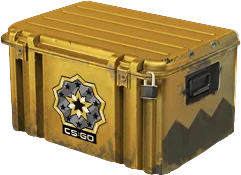
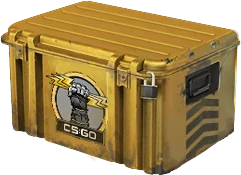
A quick visual snapshot of six cases from the table above. Prices shown are illustrative starting points only.
Scarcity
The gap between a 25-cent active case and a multi-dollar retired case comes down to one word: supply.
Once a case leaves the drop pool, no new copies are ever created. The only cases left are the ones already sitting in inventories, and that number can only shrink as people open them.
Openers and collectors keep buying retired cases for nostalgia, for the skins inside, or to gamble on the knife or glove slot. Constant demand against a fixed supply pushes prices up.
Retired glove cases like the Glove Case pair scarcity with a rare gold slot. When the special item is highly desirable, the case that contains it commands the biggest premium of all.
Total cost
The sticker price of a case is only half the story. To actually open one you also need a key, and that changes the maths.
Cases from the active drop pool are locked, and each requires a matching key to open. A key typically costs around $2.50, and that figure barely moves because keys are sold at a fixed price. This means your real cost per unbox is the case price plus the key price. A 35-cent Clutch Case therefore costs roughly $2.85 to open, and even a headline-cheap 25-cent Danger Zone Case is close to $2.75 once the key is added.
Put another way, the key - not the case - is usually the larger part of an active-case opening. That is worth remembering before you buy a stack of cheap cases: ten openings of a sub-dollar case can still run to twenty-five dollars or more in keys alone. Treat any case opening as paid entertainment, set a budget in advance, and remember that the odds always favour the house. Every price on this page is illustrative and provided purely for research.
Confirm you are 18+ and continue to the external case opening platform, or keep researching the stash and compare skin prices first - the choice is yours.
FAQ
No. Every case price on this page is an illustrative example chosen to show typical relationships between active and retired cases. Always confirm the live figure on the Steam Community Market or the third-party marketplace you actually trade on before buying.
Retired and discontinued cases no longer drop at the end of a match, so no new copies enter circulation. With a fixed or shrinking supply and steady demand from openers and collectors, prices tend to drift upward over time compared with active drop-pool cases that anyone can farm for free.
Case prices float on supply and demand. The main drivers are whether the case is still in the active drop pool, how popular its skins and knife or glove finishes are, how long ago it launched, and overall market sentiment. Popular special items such as knives raise demand for the cases that contain them.
Yes. Cases from the active drop pool require a matching key to open on Steam, and the key usually costs around $2.50. Your total opening cost is the case price plus the key price, so a cheap case can still cost a few dollars per unbox once the key is added.
Active drop-pool cases with large supply, such as the Danger Zone, Clutch and Fracture cases, sit at the bottom of the price range in our illustrative table. Older retired cases and glove-enabled cases like the Glove Case tend to be the most expensive.
No. StashClash Guru is an independent informational guide. It is not affiliated with Valve Corporation, Steam or Counter-Strike 2, and all case prices shown are illustrative examples for research only.
Keep exploring
This link opens an external CS2 case-opening platform. Tick both boxes to confirm you are of age and accept the terms, then continue.